The Ultimate Guide to UAE Museums: Discover History, Art & Innovation Across the Emirates
The United Arab Emirates, often celebrated for its soaring skyscrapers and luxurious resorts, also holds a deeply rich and rapidly evolving cultural landscape. Beyond the modern marvels lies a remarkable network of museums that tell powerful stories: from ancient civilizations and Islamic heritage to contemporary art and bold visions of the future.
With so many exceptional museums spread across different emirates, planning the right visit can feel overwhelming. Which museums align with your interests? How do you fit them into a limited schedule? What should you know about tickets, transportation, or cultural etiquette before you go?
This guide is your essential companion to navigating the UAE’s museum scene with confidence. Designed for curious international travelers and expatriate residents alike, it cuts through the noise with carefully curated recommendations, practical planning advice, and insider insights. From understanding what to expect inside each museum to crafting efficient itineraries across emirates, this guide helps you unlock authentic, meaningful cultural experiences so you can explore the true heart and soul of the UAE through its art, history, and innovation.
Why the UAE Is a Global Museum Hub
The United Arab Emirates has rapidly emerged as a serious force on the global cultural stage. Over the past two decades, the nation has invested strategically in museums that do more than display artifacts they tell stories of identity, ambition, and innovation. This deliberate focus has transformed the emirates into a must-visit destination for travelers seeking meaningful cultural exploration alongside iconic modern attractions.
A Vision for Cultural Preservation and Innovation
Rapid Growth & Strategic Investment
Across the emirates, museums are the result of long-term cultural planning backed by strong public investment. National strategies prioritize preserving heritage while positioning the UAE as a global center for arts, education, and intellectual exchange. The result is a museum ecosystem that meets international standards in curation, architecture, accessibility, and visitor experience.
Bridging the Past and the Future
One of the UAE’s defining strengths is how seamlessly its museums connect history with forward-looking narratives. Institutions such as the Etihad Museum document the nation’s founding story and social evolution, offering visitors essential historical context. In contrast, the Museum of the Future challenges visitors to imagine what lies ahead, exploring themes like artificial intelligence, sustainability, and human potential. Together, these experiences reflect a country deeply rooted in its past while confidently shaping its future.
Global Collaborations and Cultural Exchange
International partnerships have further elevated the UAE’s museum landscape. A prime example is Louvre Abu Dhabi, developed in collaboration with France. This partnership brings world-class artworks and curatorial expertise to the region while fostering cross-cultural dialogue allowing visitors to explore global art history through a uniquely UAE lens.
Commitment to Credibility and Cultural Authority
The UAE’s museum development is guided by official cultural bodies and tourism authorities, ensuring accuracy, preservation standards, and long-term sustainability. Visitors can trust that exhibits are thoughtfully curated, historically grounded, and globally relevant reinforcing the UAE’s reputation as a credible, forward-thinking cultural hub rather than a purely entertainment-driven destination.
Together, these elements explain why the UAE is no longer an emerging player, but a recognized global museum hub where heritage, innovation, and international collaboration come together in powerful and inspiring ways.
The Role of Museums in Shaping National Identity
In the United Arab Emirates, museums play a far deeper role than exhibition spaces they are living institutions that help define national identity in a country shaped by rapid growth, migration, and global exchange. By preserving heritage, encouraging dialogue, and investing in education, UAE museums act as cultural anchors for both citizens and visitors.
Preserving Heritage for Future Generations
Museums across the UAE safeguard invaluable artifacts, manuscripts, photographs, and oral histories that document life before oil, the formation of the federation, and the evolution of Emirati society. Through carefully curated collections, they preserve traditional crafts, maritime heritage, Bedouin culture, and Islamic scholarship ensuring these stories are not lost amid modernization. For visitors, this preservation provides essential context, helping them understand how the past continues to shape contemporary Emirati values and identity.
Fostering Dialogue and Cultural Exchange
With residents from hundreds of nationalities, the UAE is one of the world’s most diverse societies. Museums serve as neutral, welcoming spaces where cultures intersect. Exhibitions often present local history alongside global narratives, encouraging mutual understanding between Emiratis, expatriates, and international travelers. By addressing themes such as migration, tolerance, innovation, and shared human experiences, museums promote respectful dialogue and position the UAE as a bridge between cultures rather than a singular narrative.
Educational Impact for Locals and Visitors
Education lies at the heart of the UAE’s museum strategy. Many institutions offer guided tours, workshops, lectures, and interactive programs tailored for students, families, and lifelong learners. These initiatives go beyond passive viewing inviting visitors to engage critically with history, science, art, and future challenges. For tourists and new residents, museums provide an accessible introduction to the nation’s story, while for locals, they reinforce cultural pride and historical awareness through continuous learning opportunities.

Spotlight on Essential UAE Museums: A Journey Across the Emirates
The United Arab Emirates offers an impressive and carefully curated museum landscape, where each emirate contributes a distinct perspective on culture, history, and innovation. From globally renowned art institutions to deeply symbolic national museums, this section highlights the most essential stops organized by emirate to help you plan meaningful, well-paced visits that align with your interests and time.
Abu Dhabi’s Cultural Jewels
As the cultural heart of the UAE, Abu Dhabi has positioned itself as a global destination for world-class museums that blend architectural excellence with intellectual depth.
Louvre Abu Dhabi
More than a museum, Louvre Abu Dhabi is a universal cultural landmark. Designed as a “museum city” set on the water, it brings together art, history, and philosophy under one extraordinary dome. Its most striking feature the vast perforated roof creates the celebrated “rain of light” effect, where sunlight filters through geometric patterns, casting ever-changing shadows across white galleries and reflective pools.
Key Highlights & Unique Exhibits
- The “Rain of Light”: A mesmerizing architectural experience that changes throughout the day, making the building itself a work of art.
- A Universal Narrative: Unlike traditional museums, the galleries are organized thematically rather than geographically, telling a shared story of humanity across civilizations and eras.
- Masterpieces from Around the World: The permanent collection and rotating exhibitions feature iconic works spanning ancient artifacts, classical art, and modern masterpieces on loan from leading global institutions.
Review
- Pros:
- Iconic architecture and tranquil waterfront setting
- Thought-provoking curatorial approach
- Diverse collection appealing to both casual visitors and serious art enthusiasts
- Cons:
- The scale can feel overwhelming
- Requires ample time to fully appreciate the galleries
Best For
Art lovers, architecture enthusiasts, couples, and travelers seeking deeper cultural and philosophical connections.
Practical Information
- Location: Saadiyat Island, Abu Dhabi
- Opening Hours: Typically Tuesday–Sunday, around 10:00 AM–6:30 PM (hours may vary seasonally)
- Ticket Prices: Approximately AED 63 for adults
- Transportation Options: Easily accessible by taxi or ride-sharing services; dedicated bus routes operate from Abu Dhabi city
- Estimated Visit Time: 2–4 hours
Expert Tip
Pre-book your tickets online through the Louvre Abu Dhabi official ticket page to secure your preferred time slot and enjoy exclusive online offers, especially during peak tourist seasons.”

Qasr Al Hosn
Qasr Al Hosn is the oldest surviving stone structure in Abu Dhabi and one of the most symbolically important heritage sites in the UAE. Once a watchtower guarding coastal trade routes, it later became the seat of the ruling family and a center of governance for centuries. Today, it stands as a powerful reminder of Abu Dhabi’s transformation from a modest settlement into a global capital offering visitors an authentic window into the nation’s origins.
Key Highlights & Unique Exhibits
- The Fort: Explore the carefully restored inner and outer fort, tracing its architectural evolution and the pivotal role it played in protecting and shaping the city.
- Cultural Foundation: Located adjacent to the fort, this modern cultural space hosts rotating exhibitions, workshops, and events that connect traditional heritage with contemporary creativity.
- House of Artisans: A standout experience where visitors can observe traditional Emirati crafts such as Al Sadu weaving, Talli embroidery, and Khoos palm weaving, often demonstrated by local artisans.
In-Depth Review
- Pros:
- Deep, immersive insight into Emirati history
- Strong sense of place and authenticity
- Generally calmer and less crowded than large-scale museums
- Cons:
- Fewer interactive or digital exhibits compared to modern museums
- Best appreciated with an existing interest in local history and culture
Best For
History enthusiasts, travelers seeking traditional Emirati culture, and families with older children who can appreciate historical storytelling and heritage exhibits.
Practical Information
- Location: Rashid bin Saeed Al Maktoum Street, Abu Dhabi
- Opening Hours: Typically open daily; hours may vary by season and special events
- Ticket Prices: Approximately AED 30 for adults
- Transportation Options: Easily reached by taxi or ride-sharing services; public transport stops are available nearby
- Estimated Visit Time: 1.5–2.5 hours
E-E-A-T Note
For the most accurate information on opening hours, ticket prices, and current exhibitions, visitors should consult the official Qasr Al Hosn website before planning their visit.
Qasr Al Hosn offers a quieter yet deeply meaningful museum experience one that grounds your UAE journey in the traditions, leadership, and resilience that shaped the nation.
Dubai’s Dynamic Collections
Dubai’s museums reflect the city’s forward-thinking spirit bold, immersive, and designed to spark curiosity. At the center of this innovation-driven landscape is one of the UAE’s most iconic cultural landmarks.
Museum of the Future
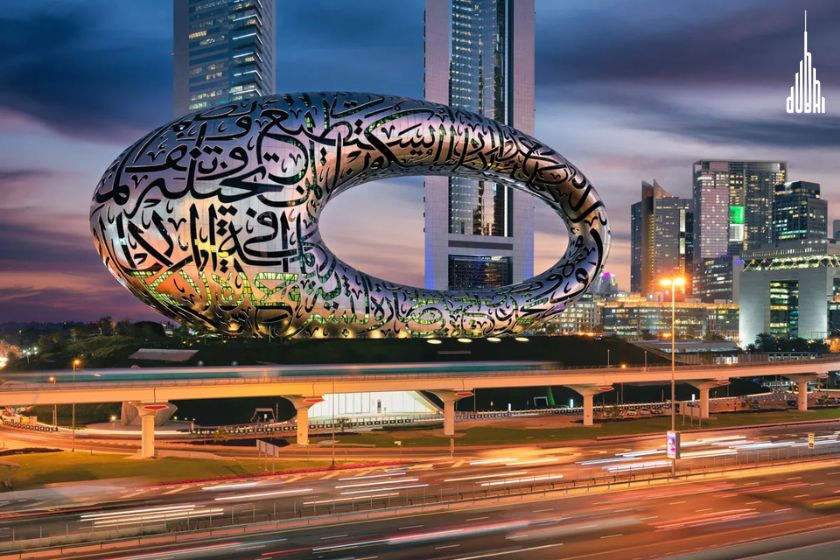
The Museum of the Future is both an architectural icon and a visionary cultural space, dedicated to exploring how humanity may evolve in the coming decades. Rather than focusing on the past, it invites visitors to step into possible futures shaped by science, technology, sustainability, and human creativity. Its striking torus-shaped structure, inscribed with Arabic calligraphy, has quickly become one of Dubai’s most photographed landmarks.
Key Highlights & Unique Exhibits
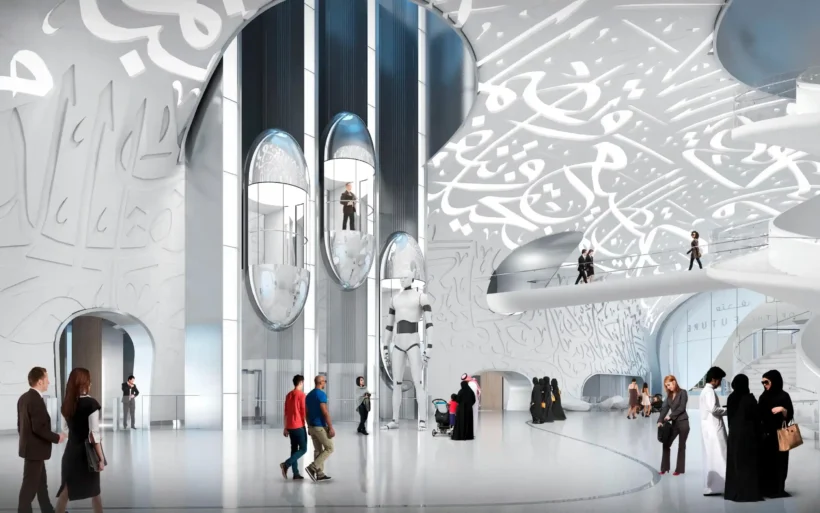
- Immersive Experiences: Multi-sensory, interactive installations explore themes such as space exploration, climate resilience, artificial intelligence, and human wellness making visitors active participants rather than passive observers.
- “Tomorrow Today”: A curated showcase of emerging technologies and real-world innovations that could soon influence how we live, work, and interact with our planet.
- Children’s Floor: A dedicated, hands-on learning environment designed to inspire curiosity, creativity, and problem-solving skills in younger visitors through play-based exploration.
Review
- Pros:
- Highly interactive and visually captivating
- Inspires critical thinking about the future
- Engaging for a wide age range
- Cons:
- Frequently crowded, especially during peak tourist seasons
- Tickets sell out quickly
- Less suited for those seeking traditional historical exhibits
Best For
Innovation seekers, technology enthusiasts, families with teenagers, and anyone curious about future possibilities and global challenges.
Practical Information
- Location: Sheikh Zayed Road, Dubai
- Opening Hours: Typically open daily; hours may vary seasonally
- Ticket Prices: Around AED 149 for adults; children often enter free
- Transportation Options: Direct access via Dubai Metro Red Line (Museum of the Future Station), as well as taxis and ride-sharing services
- Estimated Visit Time: 2–3 hours
Expert Tip
Book your tickets in advance on the Museum of the Future Dubai official ticket page and choose early morning or late evening slots to avoid peak crowds and enjoy a more relaxed, immersive experience.
Etihad Museum
The Etihad Museum offers a compelling journey into the origins of the United Arab Emirates, chronicling the nation’s formation in 1971. Situated on the very site where the historic unification agreement was signed, the museum provides a tangible connection to the founding fathers and the pivotal moments that shaped the country’s trajectory. It’s a must-visit for anyone seeking a deeper understanding of the UAE’s nation-building story.
Key Highlights & Unique Exhibits
- Interactive Galleries: Multimedia displays bring the stories of the UAE’s founding fathers to life, making history engaging and accessible for all ages.
- Historical Documents: Visitors can view original treaties, photographs, and artifacts that detail the unification process and early development of the federation.
- The Union House: Step inside the actual location where the historic agreement was signed, offering a rare glimpse into this defining moment in UAE history.
In-Depth Review
- Pros:
- Highly educational and patriotic
- Modern presentation with interactive elements
- Clear storytelling for visitors of all backgrounds
- Cons:
- Focused primarily on UAE history, which may be less appealing to visitors seeking broader cultural or artistic experiences
Students, UAE history enthusiasts, and travelers interested in the political and social foundations of the nation.
Practical Information
- Location: Jumeirah 1, Dubai
- Opening Hours: Typically open daily; check the official website for seasonal variations
- Ticket Prices: Approximately AED 25 for adults
- Transportation Options: Easily accessible by taxi, ride-sharing services, and nearby bus routes
- Estimated Visit Time: 1.5–2.5 hours
For the latest information on opening hours, ticket pricing, and special exhibitions, visitors should consult the official Etihad Museum website.
Dubai Museum
Overview
Housed within Al Fahidi Fort, the oldest surviving building in Dubai, the Dubai Museum provides an immersive glimpse into life in the emirate before the oil era transformed the city. Visitors step back in time to explore traditional homes, bustling souks, desert life, and maritime culture, all carefully preserved within this historic fortress.
Key Highlights & Unique Exhibits
- Life-sized Dioramas: Detailed scenes depicting everyday life in traditional Emirati homes, marketplaces, and desert communities.
- Archaeological Finds: Artifacts from ancient settlements along the UAE coast offer insights into early trade, fishing, and pearl diving communities.
- Traditional Weapons & Musical Instruments: Exhibits showcase local craftsmanship and cultural practices, highlighting heritage through tangible objects.
In-Depth Review
- Pros:
- Extremely affordable and accessible
- Provides a strong sense of historical context for the city’s rapid development
- Located in the charming Al Fahidi Historical Neighbourhood, adding extra cultural immersion
- Cons:
- Some exhibits feel slightly dated compared to newer, high-tech museums
- Popular site; can get crowded, especially on weekends
Best For
Cultural heritage explorers, budget-conscious travelers, and families with young children interested in history and traditional Emirati life.
Practical Information
- Location: Al Fahidi Historical Neighbourhood, Bur Dubai
- Opening Hours: Typically open daily; check official sources for seasonal updates
- Ticket Prices: Approximately AED 3 for adults
- Transportation Options: Short walk from Al Fahidi Metro Station (Green Line), also accessible by abra (traditional water taxi)
- Estimated Visit Time: 1–1.5 hours
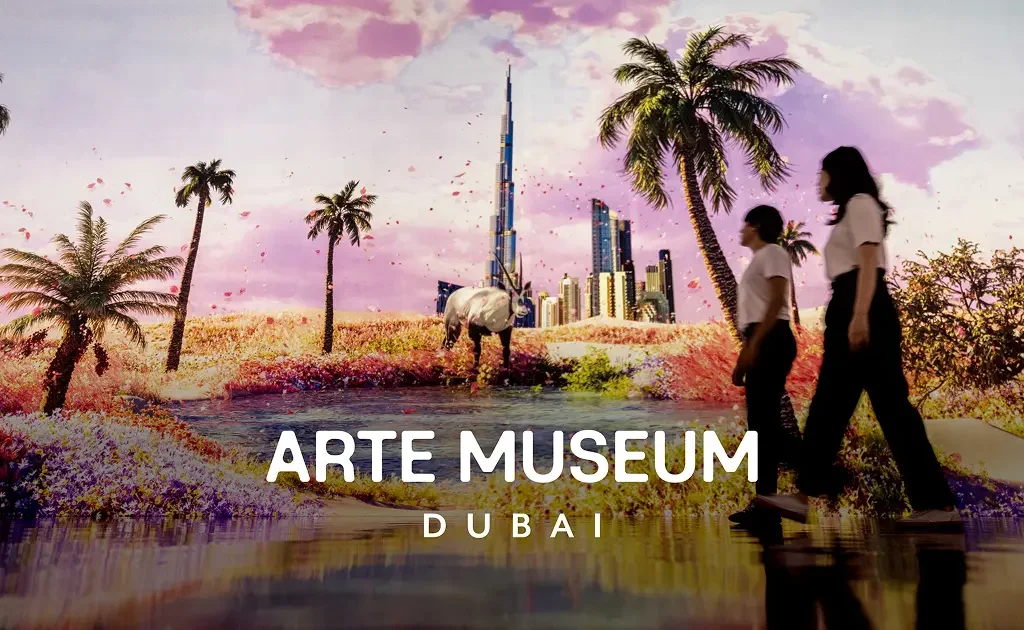
For the most accurate information on operating hours, ticketing, and exhibitions, visitors should check the Arte Museum Dubai tickets page for up-to-date details and to secure entry.

Sharjah & Al Ain Heritage and Islamic Art
While Abu Dhabi and Dubai showcase contemporary art, innovation, and national history, Sharjah and Al Ain focus on preserving the UAE’s heritage and Islamic artistic traditions. These museums provide a slower, reflective experience, ideal for travelers seeking deep cultural insight and historical context.
Sharjah Museum of Islamic Civilization
Dedicated to celebrating the achievements and cultural richness of Islamic civilization, the Sharjah Museum of Islamic Civilization houses an extensive collection of artifacts spanning religion, science, art, and daily life. It offers visitors both educational depth and aesthetic beauty in a serene, contemplative setting.
Key Highlights & Unique Exhibits
- Islamic Faith Gallery: Explore the core tenets of Islam and their historical evolution through manuscripts, models, and calligraphy.
- Science & Innovation Gallery: Highlights Islamic contributions to astronomy, medicine, mathematics, and engineering, showcasing the historical roots of modern knowledge.
- Arts & Crafts Collection: Intricate examples of Islamic calligraphy, ceramics, metalwork, and textiles that reflect both tradition and artistic mastery.
In-Depth Review
- Pros:
- Rich educational experience for all ages
- Beautifully curated artifacts in a calm, spacious environment
- Emphasis on both spiritual and intellectual heritage
- Cons:
- Best appreciated by visitors with a genuine interest in Islamic history and culture
- Requires inter-emirate travel from Dubai or Abu Dhabi
Best For
Art history enthusiasts, spiritual seekers, and travelers interested in global cultural contributions.
Practical Information
- Location: Al Majarrah Waterfront, Sharjah
- Opening Hours: Typically open daily; check the official website for seasonal updates
- Ticket Prices: Approximately AED 10 for adults
- Transportation Options: Taxis, ride-sharing, or inter-emirate buses from Dubai
- Estimated Visit Time: 2–3 hours
For accurate, up-to-date information on hours, tickets, and exhibits, consult the official Sharjah Museums Authority website.
Al Ain National Museum
Overview
The Al Ain National Museum, the UAE’s first established museum, offers a deep dive into the nation’s archaeology and ethnography. Nestled in the historic oasis city of Al Ain, the museum preserves centuries of regional life, from prehistoric settlements to Bedouin traditions.
Key Highlights & Unique Exhibits
- Archaeological Section: Displays artifacts ranging from the Neolithic period to the Islamic era, providing context for the UAE’s ancient civilizations.
- Ethnographic Section: Illustrates traditional Bedouin life, including tools, clothing, and household objects that highlight cultural practices.
- Sultan Bin Zayed Fort: The museum’s proximity to this historic fort enhances its heritage experience, offering a glimpse into defensive architecture and local history.
In-Depth Review
- Pros:
- Unique insights into the UAE’s ancient past
- Located within a UNESCO World Heritage oasis area
- Combines archaeology with ethnography for a holistic perspective
- Cons:
- Smaller in scale compared to modern museums
- Less interactive; requires more imagination and engagement
- Typically requires a dedicated day trip from Abu Dhabi or Dubai
Best For
History enthusiasts, those exploring UNESCO World Heritage sites, and travelers seeking in-depth regional insights.
Practical Information
- Location: Next to Sultan Bin Zayed Fort, Al Ain
- Opening Hours: Typically open daily; check the official website for updates
- Ticket Prices: Approximately AED 10 for adults
- Transportation Options: Taxis or ride-sharing within Al Ain; buses from Dubai or Abu Dhabi
- Estimated Visit Time: 1–2 hours
For the latest visitor information, consult the official Department of Culture and Tourism – Abu Dhabi website.
Museum Insider Insight
“Visiting the Louvre Abu Dhabi felt like traveling through time and across continents in one afternoon. The way light plays beneath the dome gives you a sense that art isn’t just something you see it’s something you experience.” A local art historian
Planning Your Ultimate UAE Museum Adventure
Navigating the UAE’s diverse museum landscape can feel overwhelming, especially with multiple emirates, transport options, and varying schedules. This section provides practical, actionable guidance to help you optimize your visits, avoid common pitfalls, and make the most of your time.
Best Time to Visit
Seasonal Considerations
- Winter (October – April): Ideal weather for outdoor exploration and traveling between emirates. Comfortable temperatures make walking tours and open-air museum areas enjoyable.
- Summer (May – September): Avoid outdoor-heavy plans. Focus on indoor, air-conditioned museums such as the Museum of the Future, Louvre Abu Dhabi, and Sharjah Museum of Islamic Civilization.
Days of the Week & Hours
- Weekends (Friday–Sunday): Museums tend to be busiest, with long queues and crowded galleries.
- Weekdays (Monday–Thursday): Generally quieter and more relaxed, allowing for a more immersive experience.
Expert Tip
Arrive early in the morning or closer to closing time to enjoy a more serene visit and better photography opportunities. Many museums also offer guided tours during off-peak hours for a richer experience.
Transportation Guide
Public Transport within Dubai
- Dubai Metro: Efficient and budget-friendly, especially for museums along Sheikh Zayed Road, including the Museum of the Future.
- Buses & Tram: Extend reach to areas not directly served by the Metro, providing flexibility for local museum hopping.
Taxis & Ride-Sharing (Careem, Uber)
- Convenient for direct routes, particularly when time is limited.
- Fares vary depending on distance and emirate; surge pricing may apply during peak hours.
Inter-Emirate Travel
- Public Buses: Affordable, reliable connections exist between Dubai, Abu Dhabi, and Sharjah. For example, to reach Louvre Abu Dhabi from Dubai, take a bus from Dubai Al Ghubaiba Bus Station to Abu Dhabi Central Bus Station, then a short taxi ride or local bus to Saadiyat Island.
- Car Hire: Provides maximum flexibility, particularly for visiting multiple emirates or Al Ain in a single day. Parking is generally available at most major museums.
Problem/Solution Guidance
Careful planning of inter-emirate journeys is crucial. Combine metro or bus options within cities for cost efficiency, then use taxis for the last leg to museums that aren’t easily accessible by public transport. This ensures you maximize your museum time while minimizing transit stress.
Expert Tip
Leverage public transport where possible for economical travel, but for complex itineraries involving multiple emirates, consider car hire or ride-sharing to save time and ensure smooth transfers between museums.
Ticketing Strategies & Discounts
Maximizing your UAE museum experience means planning ahead for tickets. Proper preparation can save time, money, and stress especially at high-demand museums.
Online Booking Benefits
- Guaranteed Entry: Popular museums such as the Museum of the Future often sell out quickly, making online reservations essential.
- Skip the Queue: Avoid long waiting times, particularly during weekends or peak tourist seasons.
- Potential Discounts: Many museums offer slightly lower prices for online ticket purchases, along with access to timed-entry slots that make scheduling easier.
Museum Passes & Bundles
- City Passes: Programs like the Dubai Pass often include museum admissions along with other attractions, offering convenience and potential savings.
- Multi-Entry Tickets: If planning to explore multiple museums within the same emirate, check whether bundled tickets are available for combined entry at a reduced cost.
Student, Senior & Resident Discounts
- Many institutions provide discounted rates for students, seniors, and UAE residents.
- Always carry valid ID (student card, Emirates ID, or passport) to take advantage of these offers.
Expert Tip
Pre-booking tickets online is the most reliable way to secure entry, avoid queues, and often access exclusive online promotions. This approach is particularly important for high-demand attractions like Louvre Abu Dhabi, Museum of the Future, and Etihad Museum.
Essential Packing & Preparation
To make the most of your UAE museum adventure, thoughtful preparation can enhance comfort, convenience, and overall enjoyment.
Comfortable Shoes & Hydration
Museums often involve extensive walking through expansive galleries, multiple floors, and sometimes outdoor spaces connecting different exhibition areas. Comfortable shoes are essential to ensure you can explore at your own pace without fatigue.
Expert Tip: Even inside air-conditioned museums, the UAE climate can be warm, particularly during summer months. Carry a reusable water bottle and stay hydrated throughout your visit.
Small Bag Policy & Lockers
Most museums implement security checks at entry. Large bags or backpacks are often required to be stored in lockers, while smaller bags can be carried with you. Planning ahead with a compact bag ensures you can navigate exhibits comfortably and adhere to security guidelines.
Policies vary by museum. Always check the official museum websites for specific rules regarding bag sizes, locker availability, and any prohibited items to avoid surprises on arrival.
Maximizing Your Museum Experience Insider Tips & Etiquette
Visiting UAE museums is not just about observing exhibits it’s an opportunity to immerse yourself in local culture, history, and innovation. Understanding etiquette, leveraging resources, and planning for comfort can transform your visit from ordinary to memorable.
Cultural Etiquette & Dress Code
Respectful Attire
- Expert Tip: Dress modestly, covering shoulders and knees, especially in cultural or historical museums. While enforcement may be relaxed, it shows respect for local customs and helps you blend seamlessly into the environment.
- Avoid overly revealing or provocative clothing to maintain decorum.
Behavioral Norms
- Keep your voice at a considerate level, respecting the contemplative atmosphere of galleries.
- Be mindful of religious and culturally sensitive exhibits, such as Islamic art galleries or historic mosques, where certain behaviors or gestures may be inappropriate.
Cultural Immersion
- To truly appreciate the UAE’s heritage, engage actively with exhibits, read context plaques, and participate in workshops or guided tours where offered. Observing cultural nuances enhances your understanding and enriches your experience beyond the visual displays.
Photography & Digital Engagement
Rules & Restrictions
- Always check exhibit signage for photography policies; some spaces may prohibit flash or any photography altogether.
- Respect the privacy of other visitors, particularly in crowded galleries or interactive areas.
Utilizing Museum Apps & Audio Guides
- Many UAE museums offer apps or audio guides that provide in-depth explanations, historical context, and behind-the-scenes insights.
- Expert Tip: Bring headphones for a more immersive experience and to avoid disturbing other visitors.
Accessibility & Facilities
Accessibility Information
- Most major museums provide wheelchair access, ramps, and elevators. Families with strollers should check for stroller-friendly routes in advance.
- Confirm accessibility details on official museum websites to ensure current facilities meet your needs.
Available Facilities
- Cafés & Restaurants: Many museums feature on-site dining with both local and international cuisine.
- Gift Shops: Ideal for souvenirs, educational materials, and cultural keepsakes.
- Restrooms & Prayer Rooms: Widely available to accommodate visitor comfort and needs.
Engaging with the Exhibits
To fully appreciate the richness of UAE museums, the way you interact with exhibits can transform your visit. Whether you prefer structured guidance or independent exploration, there are practical strategies to make your experience more meaningful and memorable.
Guided Tours vs. Self-Exploration
Guided Tours
- Led by knowledgeable experts, guided tours provide historical context, in-depth insights, and stories behind key artifacts.
- Perfect for visitors seeking a structured experience and a deeper understanding of exhibits beyond what is displayed on plaques.
Self-Guided Exploration
- Offers freedom to set your own pace, linger on areas of personal interest, and revisit sections as desired.
- Many museums offer audio guides, mobile apps, or printed maps to enhance self-directed visits and provide rich contextual information.
Checking for Special Exhibitions
- Expert Tip: Before your visit, check museum websites for temporary or rotating exhibitions. These limited-time showcases often feature rare artifacts, interactive experiences, or fresh perspectives not included in the permanent collection.
- Engage with museum staff curators, guides, or volunteers who can provide unique insights, answer questions, and recommend must-see highlights that may not be immediately obvious.
Curated Itineraries & Recommendations: Museums for Every Interest
With so many museums across the UAE, it can be overwhelming to decide where to go. To help, we’ve designed thematic itineraries and recommendations tailored to different interests, making it easier to plan an enriching and seamless cultural journey.
Thematic Journeys
- UAE History & Heritage Trail
- Suggested Museums: Dubai Museum, Etihad Museum, Qasr Al Hosn, Al Ain National Museum
- Focus: Dive into the UAE’s pre-oil era, learn about the nation’s formation, and explore traditional life and heritage.
- Why It Works: Perfect for history enthusiasts, students, and travelers who want a comprehensive understanding of the UAE’s origins and cultural roots.
- Future & Innovation Quest
- Suggested Museums: Museum of the Future
- Focus: Engage with technology, sustainability, and visionary concepts that shape the UAE’s forward-looking identity.
- Why It Works: Ideal for innovation seekers, families with teens, and anyone curious about emerging technologies and futuristic ideas.
- Art & Architecture Expedition
- Suggested Museums: Louvre Abu Dhabi, Museum of the Future, Sharjah Art Foundation (for contemporary exhibitions)
- Focus: Immerse yourself in global art collections, contemporary creativity, and iconic architectural marvels.
- Why It Works: Tailored for art lovers, architecture enthusiasts, and travelers who appreciate visual storytelling and aesthetic experiences.
Itineraries for Specific Traveler Types
Not all travelers explore museums in the same way. Whether you’re visiting with family, traveling solo, or on a budget, these tailored recommendations help you maximize your experience while minimizing stress.
Family-Friendly Day Out
- Kid-Friendly Picks:
- Museum of the Future – Don’t miss the interactive Future Heroes floor for hands-on STEM and innovation activities.
- Dubai Museum – Life-sized dioramas bring pre-oil Emirati life to life for young learners.
- Children’s City (Dubai) – While not a traditional museum, it complements museum visits with science, space, and discovery-focused exhibits.
- Tips for Families:
- Look for interactive exhibits and workshops.
- Choose museums with on-site cafés offering kid-friendly meals.
- Check for designated play areas or hands-on learning sections.
Solo Adventurer’s Picks
- Sharjah Museum of Islamic Civilization – Offers quiet galleries and contemplative spaces ideal for reflection and focused learning.
- Etihad Museum or Louvre Abu Dhabi – Perfect for deep dives into history, art, or architecture.
Tip: Solo travelers can take their time, linger over favorite exhibits, and enjoy guided tours or audio guides without distractions.
Budget Traveler’s Gems
- Dubai Museum, Sharjah Art Museum, Al Ain National Museum – Affordable or free-entry options that offer rich cultural insight.
- Tips:
- Use public transport wherever possible.
- Combine free attractions in the same neighborhood to reduce travel costs.
- Take advantage of museum apps or online resources to enrich your visit without extra fees.
Expert Tips for All Travelers
- Allocate Time Wisely: Don’t rush. Plan at least 2–3 hours per major museum to fully absorb the exhibits and enjoy the experience.
- Combine Nearby Attractions: Group museums located in the same area, such as the Al Fahidi Historical Neighbourhood in Dubai, to optimize travel time.
Optimizing Multi-Emirate Visits
Logistics & Time Management
- Dedicate full days to each emirate where possible to minimize travel stress and maximize cultural immersion.
- Prioritize museums based on your thematic interest and geographic proximity to reduce transit time.
Accommodation Suggestions
- Dubai: Central access to many museums, including Museum of the Future and Dubai Museum.
- Abu Dhabi: Ideal for cultural district visits, including Louvre Abu Dhabi and Qasr Al Hosn.
Following these itineraries ensures that every traveler family, solo adventurer, or budget-conscious visitor can enjoy a tailored, enriching museum journey across the UAE.
FAQ: Your Museum Visit Questions Answered
What if I have limited time (e.g., only 3 hours per museum)?
Prioritize key galleries or must-see exhibits. Use museum apps or maps to plan your route efficiently and avoid wandering aimlessly.
How can I make the most of a quick visit?
Focus on the museum’s highlights or take a guided tour. Expert commentary allows you to absorb more information in less time.
How can I visit museums in different emirates efficiently?
Group museums geographically visit Abu Dhabi museums in one day and Dubai museums in another. Consider inter-emirate buses or car hire for maximum flexibility.
Are day trips feasible for visiting museums in other emirates?
Day trips between Dubai and Abu Dhabi are very manageable. Start early and plan your itinerary to make the most of the day.
Can I bring food and drinks to the beach at night?
Yes, for personal consumption. No alcohol is allowed. Dispose of all trash responsibly in designated bins.
Are changing rooms and showers available after dark?
Yes, designated night swimming beaches usually keep showers and restrooms open.
Are museums suitable for young children?
Many museums, such as the Museum of the Future and Dubai Museum, feature interactive exhibits and children’s sections designed to engage younger visitors.
How can I explore museums on a tight budget?
Focus on affordable or free-entry museums like Dubai Museum, Sharjah Museum of Islamic Civilization, or smaller cultural centers. Use public transport to save on travel costs and look out for student or senior discounts.
Are there free museum days or passes?
While rare for major museums, smaller galleries or cultural centers may offer free entry on specific days. Always confirm via official museum websites to avoid disappointment.
How can I understand the historical or cultural context of exhibits without prior knowledge?
Utilize audio guides, join guided tours, and read exhibit descriptions carefully. Many museums offer introductory videos or digital content to provide context.
Prioritize key galleries or must-see exhibits. Use museum apps or maps to plan your route efficiently and avoid wandering aimlessly.
Focus on the museum’s highlights or take a guided tour. Expert commentary allows you to absorb more information in less time.
Group museums geographically visit Abu Dhabi museums in one day and Dubai museums in another. Consider inter-emirate buses or car hire for maximum flexibility.
Day trips between Dubai and Abu Dhabi are very manageable. Start early and plan your itinerary to make the most of the day.
Yes, for personal consumption. No alcohol is allowed. Dispose of all trash responsibly in designated bins.
Yes, designated night swimming beaches usually keep showers and restrooms open.
Many museums, such as the Museum of the Future and Dubai Museum, feature interactive exhibits and children’s sections designed to engage younger visitors.
Focus on affordable or free-entry museums like Dubai Museum, Sharjah Museum of Islamic Civilization, or smaller cultural centers. Use public transport to save on travel costs and look out for student or senior discounts.
While rare for major museums, smaller galleries or cultural centers may offer free entry on specific days. Always confirm via official museum websites to avoid disappointment.
Utilize audio guides, join guided tours, and read exhibit descriptions carefully. Many museums offer introductory videos or digital content to provide context.
Comparison Table of Top UAE Museums
This table offers a quick, comparative overview of some of the UAE’s most popular museums, helping you choose the best options based on your interests, available time, and family needs.
|
Museum Name |
Location (Emirate) |
Primary Focus |
Avg. Visit Time |
Ticket Price Range (Approx.) |
Family Friendly? |
Key Highlight |
|
Louvre Abu Dhabi |
Abu Dhabi |
Global Art & Civilizations |
2–4 hours |
AED 63–100 |
Yes (older kids) |
Iconic “Rain of Light” architecture & universal narrative |
|
Museum of the Future |
Dubai |
Future Technology & Innovation |
2–3 hours |
AED 149 |
Yes (teens & older kids) |
Immersive, interactive visions of 2071 |
|
Etihad Museum |
Dubai |
UAE Founding & History |
1.5–2.5 hours |
AED 25–50 |
Yes (older kids) |
Story of UAE’s unification at the historic signing site |
|
Dubai Museum (Al Fahidi Fort) |
Dubai |
Traditional Emirati Life & History |
1–1.5 hours |
AED 3–10 |
Yes (all ages) |
Life-sized dioramas in Dubai’s oldest building |
|
Sharjah Museum of Islamic Civilization |
Sharjah |
Islamic Art, Science & Culture |
2–3 hours |
AED 10–20 |
Yes (older kids) |
Comprehensive collection of Islamic artifacts & achievements |
|
Qasr Al Hosn |
Abu Dhabi |
Abu Dhabi’s Royal History & Heritage |
1.5–2.5 hours |
AED 30–50 |
Yes (older kids) |
Oldest stone building in Abu Dhabi, cultural foundation |
|
Al Ain National Museum |
Al Ain |
UAE Archaeology & Ethnography |
1–2 hours |
AED 10–20 |
Yes (older kids) |
Pre-historic artifacts and traditional Bedouin life |
Note for Readers:
- Ticket prices can vary based on age, residency, or special exhibitions. Always check official museum websites for the latest information.
- Consider adding a “Best for Visitor Type” column if you want to tailor choices for families, solo travelers, or budget-conscious visitors.
- Family-friendly labels indicate suitability for older children unless specified otherwise.
Conclusion: Embrace the UAE’s Cultural Tapestry
The UAE’s museums are far more than buildings filled with artifacts they are vibrant gateways into the soul of the nation, offering insights into its past, present, and future. From the awe-inspiring architecture of Louvre Abu Dhabi and the visionary exhibits of the Museum of the Future to the deeply rooted heritage of Qasr Al Hosn and the Sharjah Museum of Islamic Civilization, each museum provides a unique and unforgettable cultural experience.
This ultimate guide is designed to equip you with the knowledge, practical tips, and itineraries needed to plan your own enriching adventure across the Emirates. Whether you are a history buff, an art enthusiast, a tech visionary, or a family seeking interactive and educational activities, the UAE’s diverse museum landscape has something extraordinary to offer.
Share Your Experience
We invite you to explore these incredible museums and immerse yourself in their stories. Share your favorite moments, hidden gems, and top tips in the comments below. Your insights can inspire fellow travelers to dive deeper into the UAE’s rich cultural tapestry.